Introduction: Fame Is No Longer Human-Only
The rise of AI influencers marks one of the most profound cultural shifts in the history of media. What began as a novelty experiment in CGI and digital art has rapidly evolved into a fully-fledged influence economy powered by artificial intelligence.
AI influencers now front global campaigns, attract millions of followers, and shape conversations across fashion, beauty, technology, and entertainment. They are not a gimmick or a short-term trend. They represent a structural change in how fame is created, controlled, and monetised.
To understand why AI influencers are accelerating so quickly, we need to look at how technology, culture, and brand economics have converged at exactly the right moment.
What Are AI Influencers?
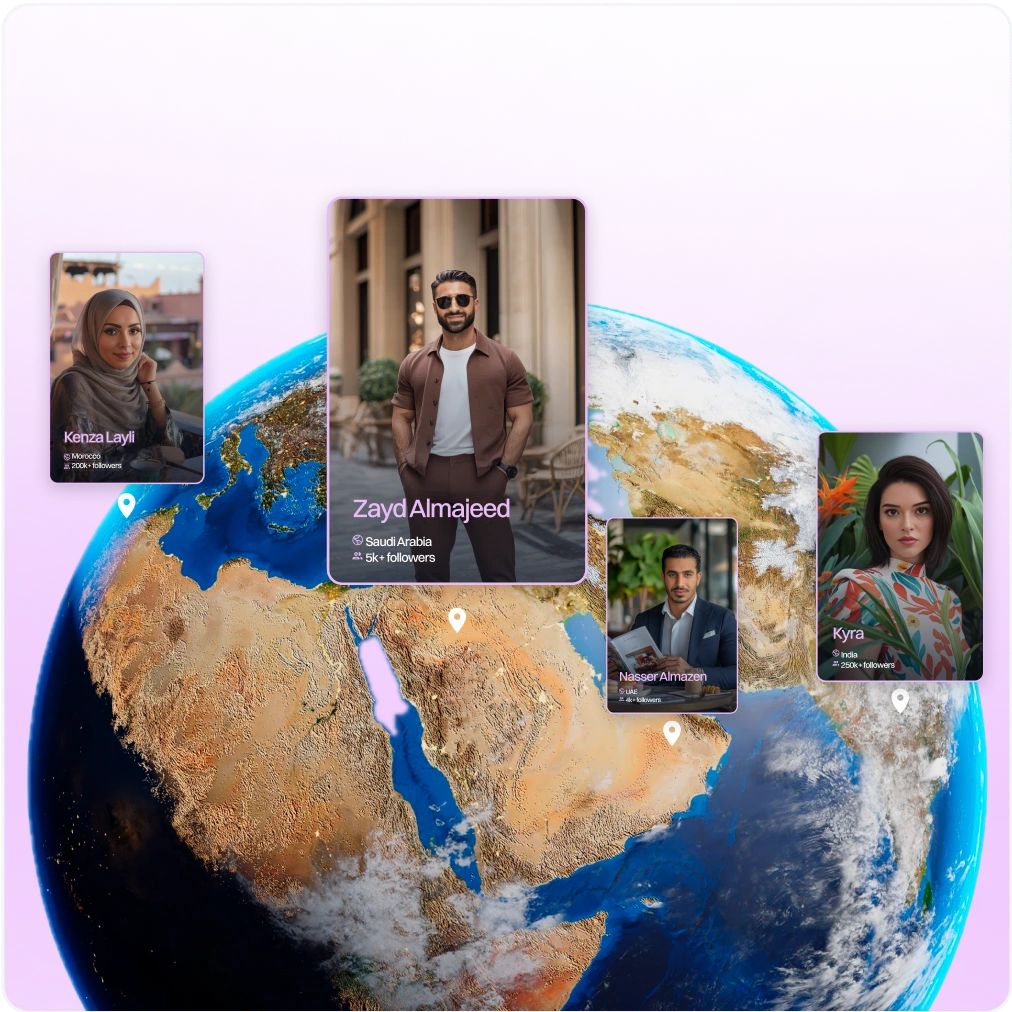
AI influencers are digital personas created using artificial intelligence, computer-generated imagery, and machine learning systems. Unlike animated characters of the past, modern AI influencers are designed to behave like social creators. They post content, interact with audiences, collaborate with brands, and evolve over time.
Most AI influencers combine several layers of technology:
- Visual generation for images and video
- Language models for captions and dialogue
- Voice synthesis for spoken content
- Human creative direction to guide narrative and tone
The result is a virtual personality that feels consistent, responsive, and culturally relevant.
How the Rise of AI Influencers Happened
The rise of AI influencers did not happen overnight. It unfolded in clear phases as technology matured and audiences became more comfortable engaging with digital identities.
Phase 1: CGI Curiosity (2016 to 2019)
Early virtual influencers were primarily static CGI characters. Their value lay in visual novelty rather than depth or storytelling. Audiences followed them out of curiosity, not emotional connection.
Phase 2: Social Storytelling (2020 to 2023)
As social platforms prioritised personality-driven content, AI influencers began to adopt narratives, opinions, and emotional arcs. This is when audiences started to treat them less like graphics and more like creators.
Phase 3: Generative Scale (2024 onwards)
Generative AI unlocked scale. AI influencers could now produce content faster, in more formats, and across more platforms than any human creator. This marked the shift from experimentation to commercial adoption.
Timeline: The Evolution of AI Influencers
Why Audiences Follow AI Influencers
A common misconception is that people follow AI influencers because they are fooled into believing they are real. In reality, most followers are fully aware that these creators are artificial.
People follow AI influencers because they offer:
- Consistency without burnout
- Clear and stable identities
- Highly aesthetic content
- A sense of control and safety
In an era of influencer scandals, over-sharing, and unpredictability, AI influencers feel refreshingly reliable.
Why Brands Are Driving the Rise of AI Influencers
From a brand perspective, AI influencers solve many long-standing problems in creator marketing.
Brand Safety and Control
AI influencers do not post off-message content, create reputational risk, or contradict brand values. Every output can be reviewed, refined, and aligned.
Cost Efficiency Over Time
While initial creation costs can be high, AI influencers become more cost-effective with scale. They do not require travel, reshoots, or ongoing talent fees in the same way humans do.
Always-On Content
AI influencers can produce content continuously across multiple time zones and platforms, supporting global campaigns with ease.
AI Influencers vs Human Influencers
This does not mean AI influencers will replace humans. Instead, they are reshaping the influence mix.
The Future of Fame
The rise of AI influencers signals a broader shift in fame itself. Influence is becoming something that can be designed, owned, and scaled rather than discovered by chance.
In the coming years, we will see:
- More brand-owned AI influencers
- Hybrid human and AI creator partnerships
- AI personalities built for niche communities rather than mass appeal
Fame is no longer limited by biology. It is limited by imagination.
Final Thoughts
The rise of AI influencers is not about replacing humans. It is about expanding what influence can look like in a digital-first world.
For brands, creators, and agencies, understanding this shift early is not optional. It is a competitive advantage.